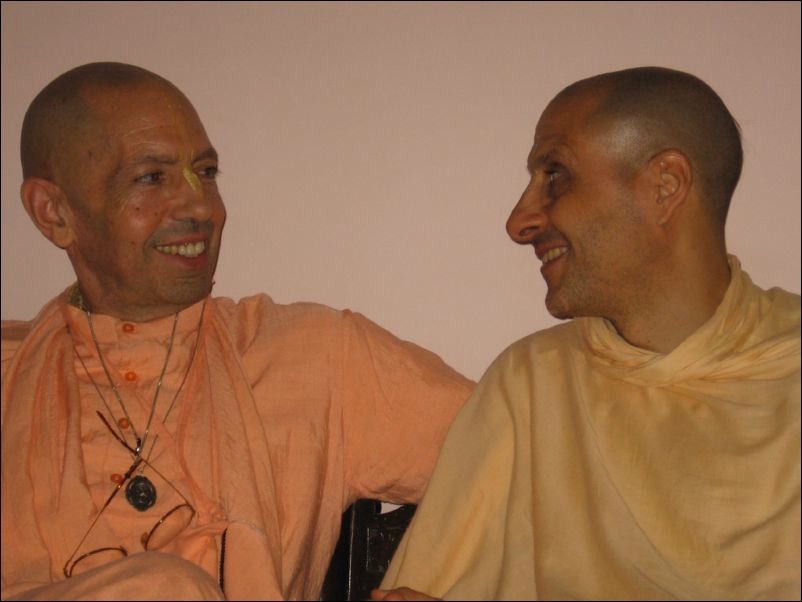
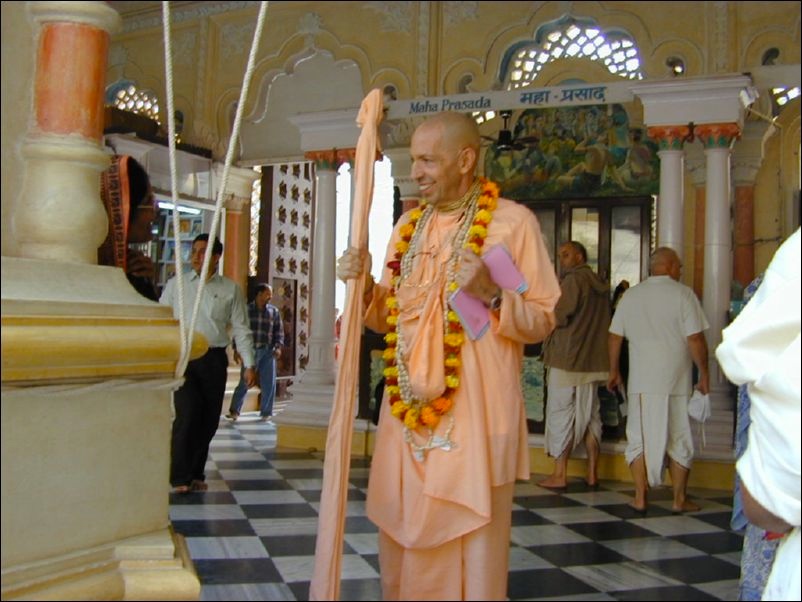
Ways to say "Hare Krishna"
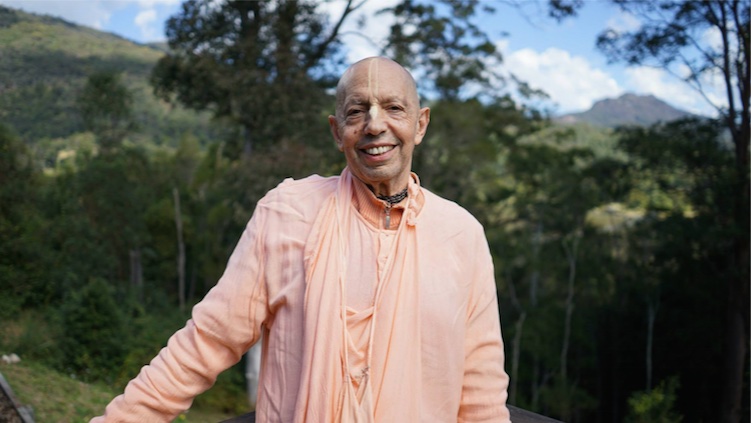
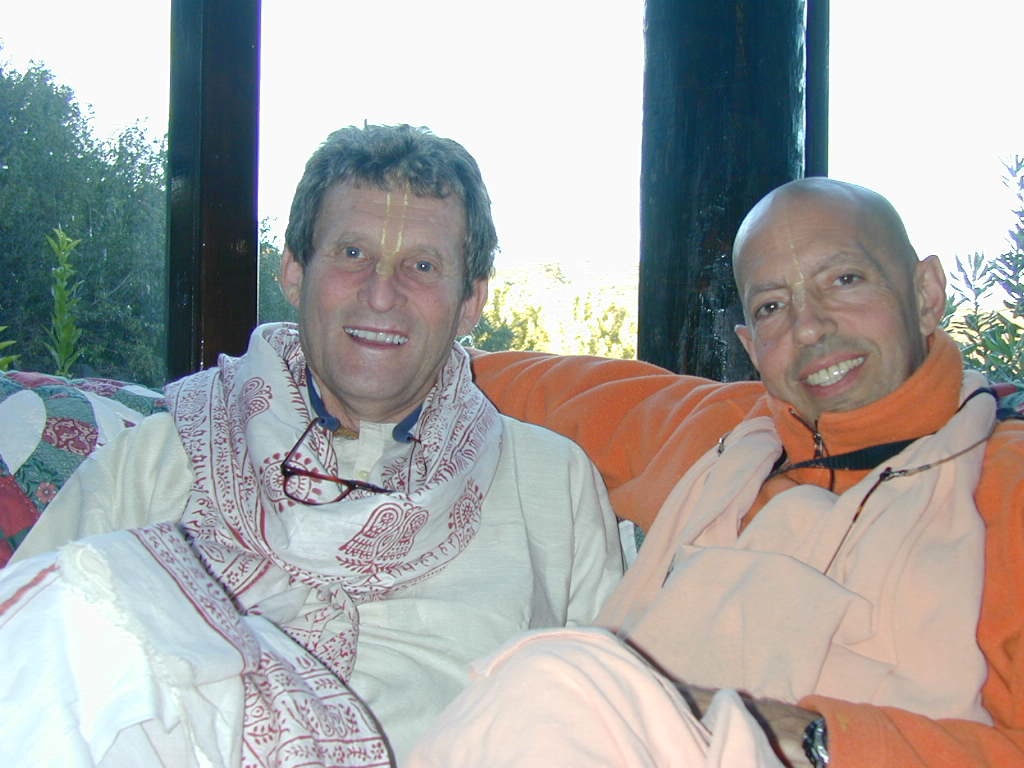
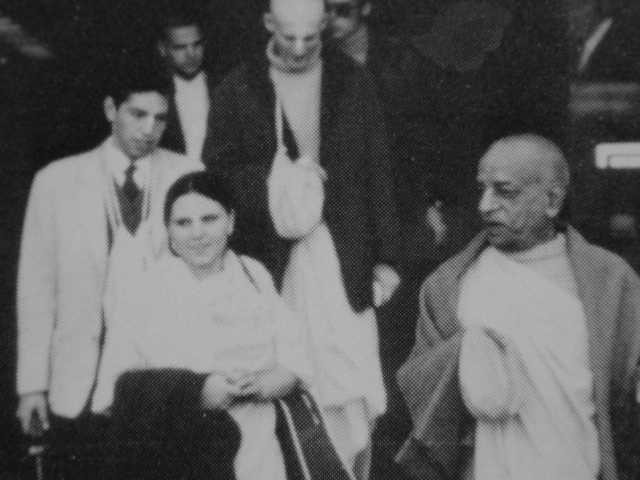
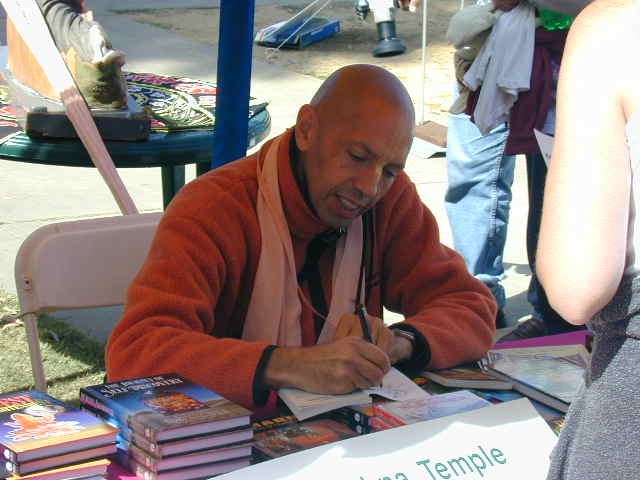
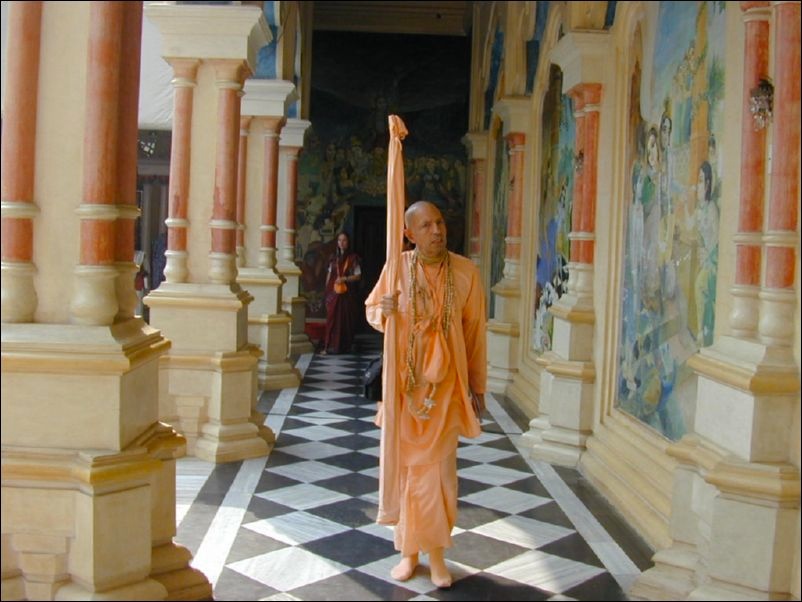
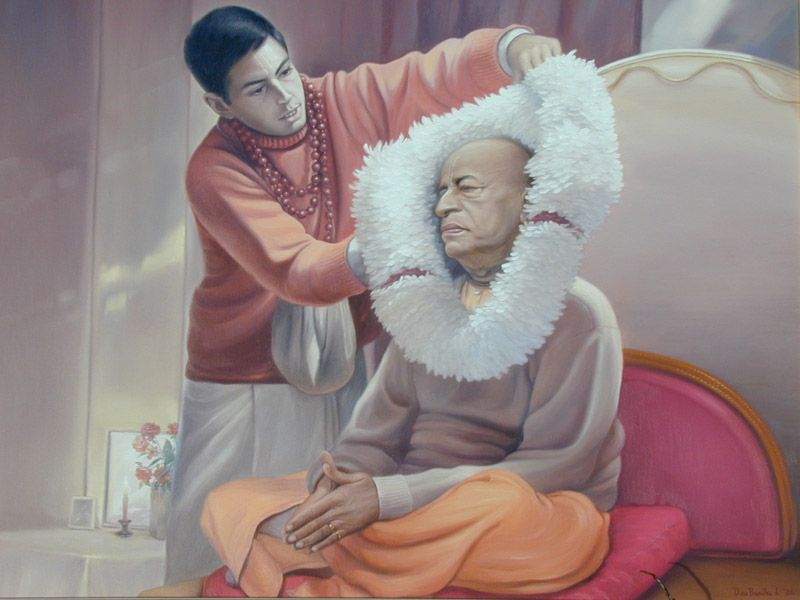
Submitted by Mukunda Goswami on Thu, 2010/03/04 - 2:27amScroll down - here are just a few of the ways people say "Hare Krishna." They say it with...
relish
conviction
feeling
commitment
assuredness
confidence
gusto
certainty
beauty
vigour
ardour
music
surety
happiness
ecstasy
elation
pleasure
delight
glee
emotion
drama
spirit
joy
rapture
delight
pleasure
contentment
warmth
zeal
fullness
Equal distribution of wealth, freedom for peace
Submitted by Mukunda Goswami on Wed, 2010/03/03 - 2:27am
Published on 22 January, 2002 in the Hindustan Times
SAMA DARSHAN is the Sanskrit for 'equal vision' as found in Bhagavad Gita 5.18.
'Religious activities' aren't necessarily 'our line'
Submitted by Mukunda Goswami on Tue, 2010/03/02 - 2:27amHere's an interesting excerpt from a purport in the 3rd Canto, Chapter 32, Text 22:
"There are two kinds of religious activities: one for material advancement and the other for spiritual advancement. By taking shelter under the lotus feet of Krsna, one is endowed with both kinds of prosperity, material and spiritual. Why then should one go to any demigod?"
Removal of anarthas more important than trying to "remember"
Submitted by Mukunda Goswami on Mon, 2010/03/01 - 2:25amHere's an interesting point made by Srila Bhaktisiddhanta Sarasvati Thakura:
"When anarthas are removed due to the chanting of the holy name, then Krsna's form, qualities and pastimes will automatically become manifested from the name. There is no need to make any endeavour to artificially remember the form, qualities and pastimes." (from his last will and testament)
The Srimad Bhagavatam is Poetry
Submitted by Mukunda Goswami on Sun, 2010/02/28 - 2:25amThis verse always stuck in my mind. I don't know why. I think it's poetic.
"The body that at first rides high on fierce elephants or chariots adorned with gold and is known by the name "king" is later, by Your invincible power of time, called "faeces," "worms," or "ashes." (3.12.22)
De-stressing is important for a united world
Submitted by Mukunda Goswami on Sat, 2010/02/27 - 2:24am
Published in the Hindustan Times on 12 November 2001
BEING 'PLUGGED IN' doesn't make for globalisation. It's a fact that those who own computers make up six per cent of earth's population, and less than four out of a 100 have Internet access. Even among seasoned web surfers, it is a growing concern that computers and the Internet are hurtling us headlong into the outer darkness of dystopia.
Hallucination
Submitted by Mukunda Goswami on Fri, 2010/02/26 - 2:22amQuoting Srila Prabhupada selectively is generally a sign of intellectual dishonesty or mental laziness. However, there are exceptions, and the following often-cited phrase from Srimad Bhagavatam is one I've used time and again. It says a lot more to me than the literal meaning of the words:
"Anyone who is trying to be aloof from this Krsna Consciousness Society and yet engage in Krsna consciousness is living in a great hallucination, for this is not possible." [4.9.11/Purport]
Rupa Goswami was more than important
Submitted by Mukunda Goswami on Thu, 2010/02/25 - 2:21amSrila Bhaktisiddhanta Saraswati Thakura talked of following Rupa Goswami as "our supreme desire." In his last will and testament he writes: "All of you preach the message of Rupa Goswami and Raghunath Das Goswami with great enthusiasm. Our supreme desire is to become the dust of the lotus feet of the followers of Sri Rupa Goswami."
There's "Hope"
Submitted by Mukunda Goswami on Tue, 2010/02/23 - 3:12amIn a purport in the Ninth Canto (51st Verse, 10th Chapter): "If people take to this sankirtana movement of chanting Hare Krsna, Hare Rama, they will certainly be freed from the contamination of Kali-yuga, and the people of this age will be happy, as people were in Satya-yuga, the golden age."
Kali-yuga can be kind
Submitted by Mukunda Goswami on Mon, 2010/02/22 - 9:14amI feel I've been saved inasmuch as sinful activity in this age has to actually be performed. Thinking alone -- of sin - isn't enough. And here's the proof (from the Srimad Bhagawatam, First Canto, Eighteenth Chapter, Text number seven: